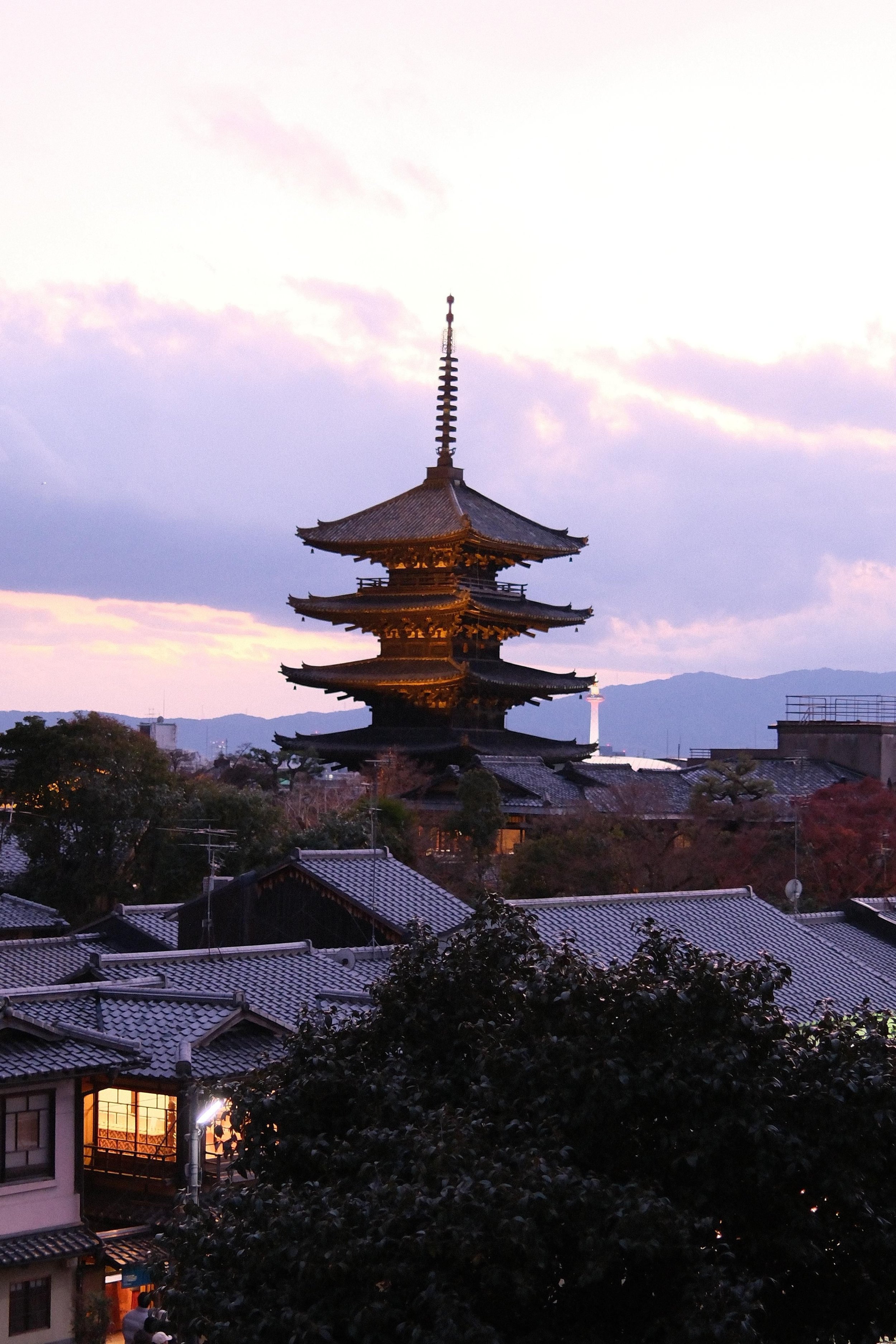
Kyoto Travel Guide
Kyoto is the cultural heart of Japan and one of the country's most iconic destinations. As Japan's capital for more than 1,000 years, the city is home to a remarkable collection of historic temples, traditional shrines, stunning gardens, and preserved districts that offer a glimpse into Japan's rich past.
Unlike the fast-paced energy of Tokyo, Kyoto invites visitors to slow down and experience a more traditional side of Japan. From walking beneath the famous red torii gates of Fushimi Inari Shrine to exploring the peaceful bamboo groves of Arashiyama, every corner of the city tells a story. Visitors can enjoy authentic tea ceremonies, stay in traditional ryokan, sample world-famous Kyoto cuisine, and wander through historic streets that have changed little over the centuries.
Kyoto is also one of the best destinations in Japan for seasonal travel. Cherry blossoms transform the city during spring, while autumn brings spectacular displays of red and gold foliage around temples and gardens. Even in winter, Kyoto's quieter atmosphere and occasional snowfall create a magical experience.
Whether you're visiting for a weekend or including Kyoto as part of a longer Japan itinerary, the city offers an unforgettable mix of culture, history, food, and natural beauty that makes it a must-visit destination for first-time and returning travellers alike.
Major Neighborhoods
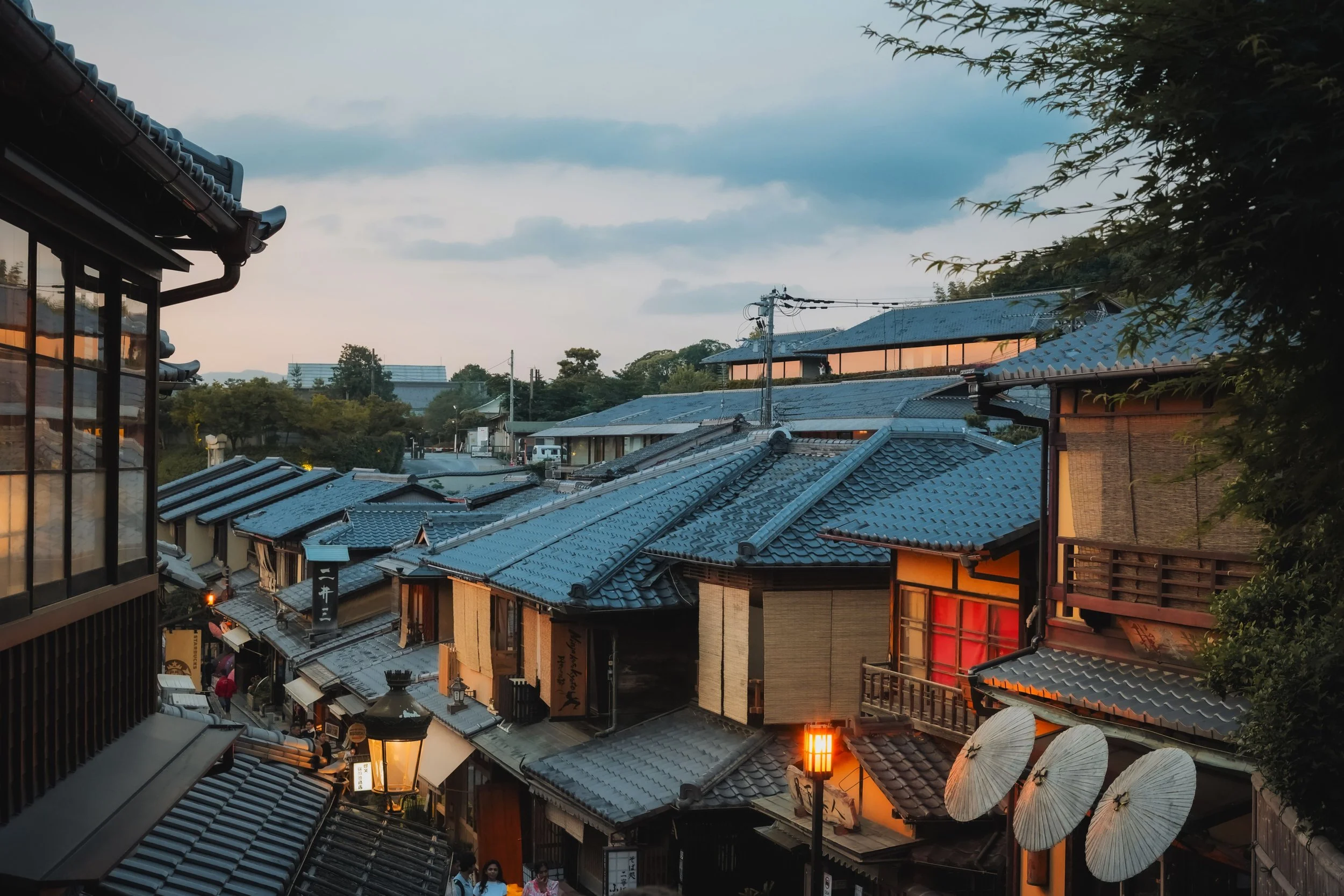
The most famous district in Kyoto and the heart of traditional Japan. Gion is known for its historic wooden buildings, tea houses, and beautifully preserved streets.
Gion
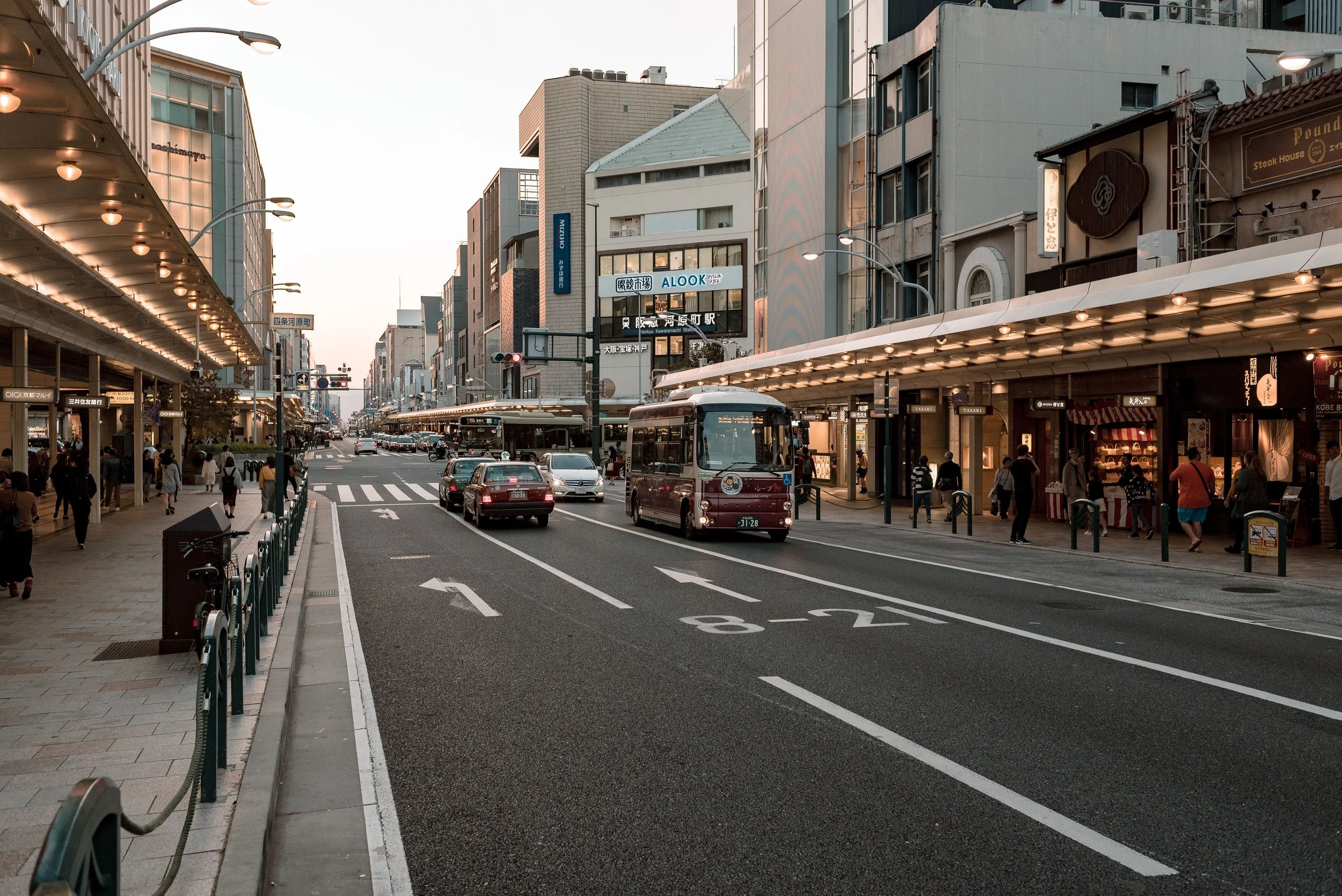
The city's vibrant shopping and dining district where traditional Kyoto meets modern Japan.
Downtown Kyoto
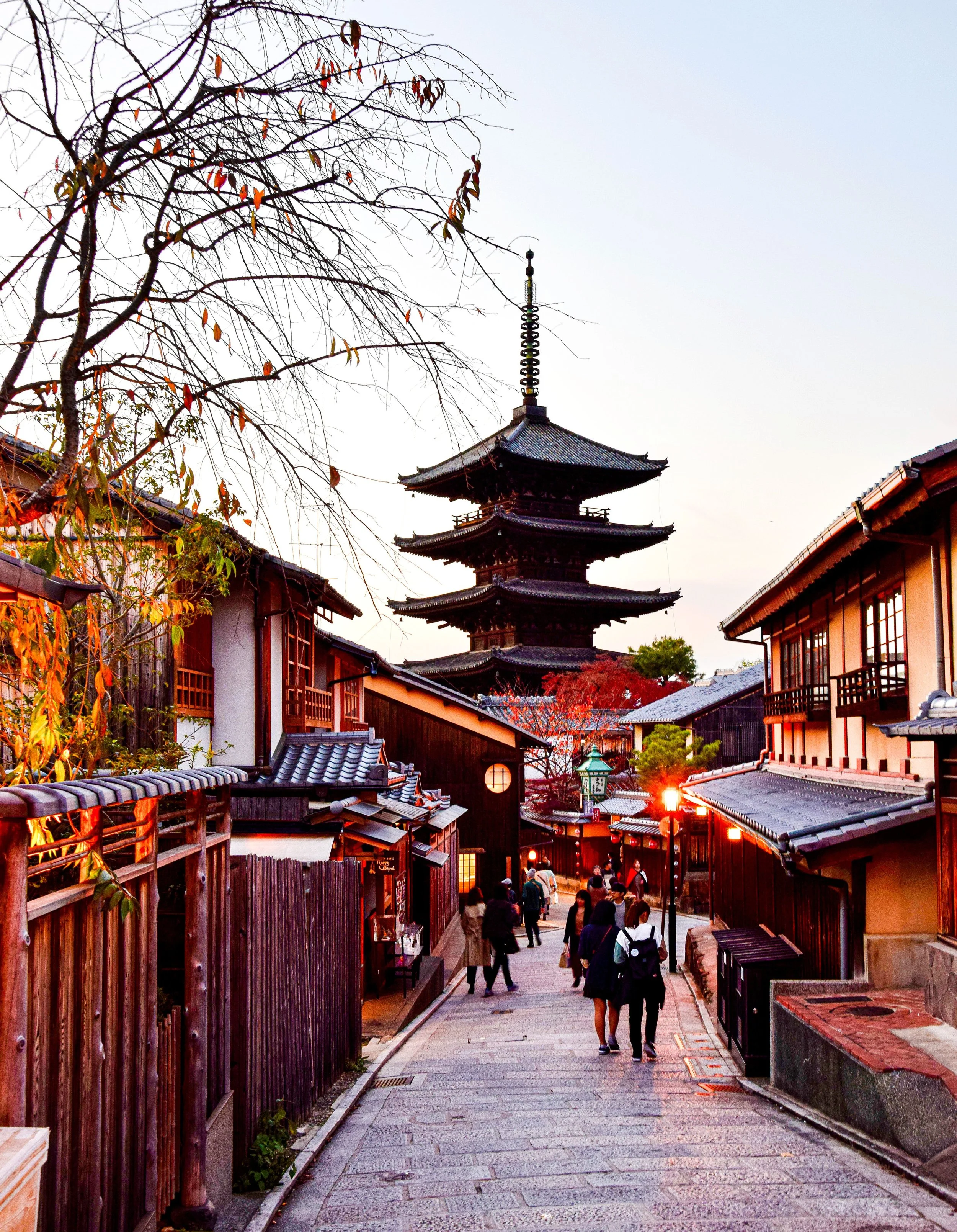
Home to many of Kyoto's most iconic landmarks, including ancient temples and historic streets lined with traditional shops.
Southern Higashiyama
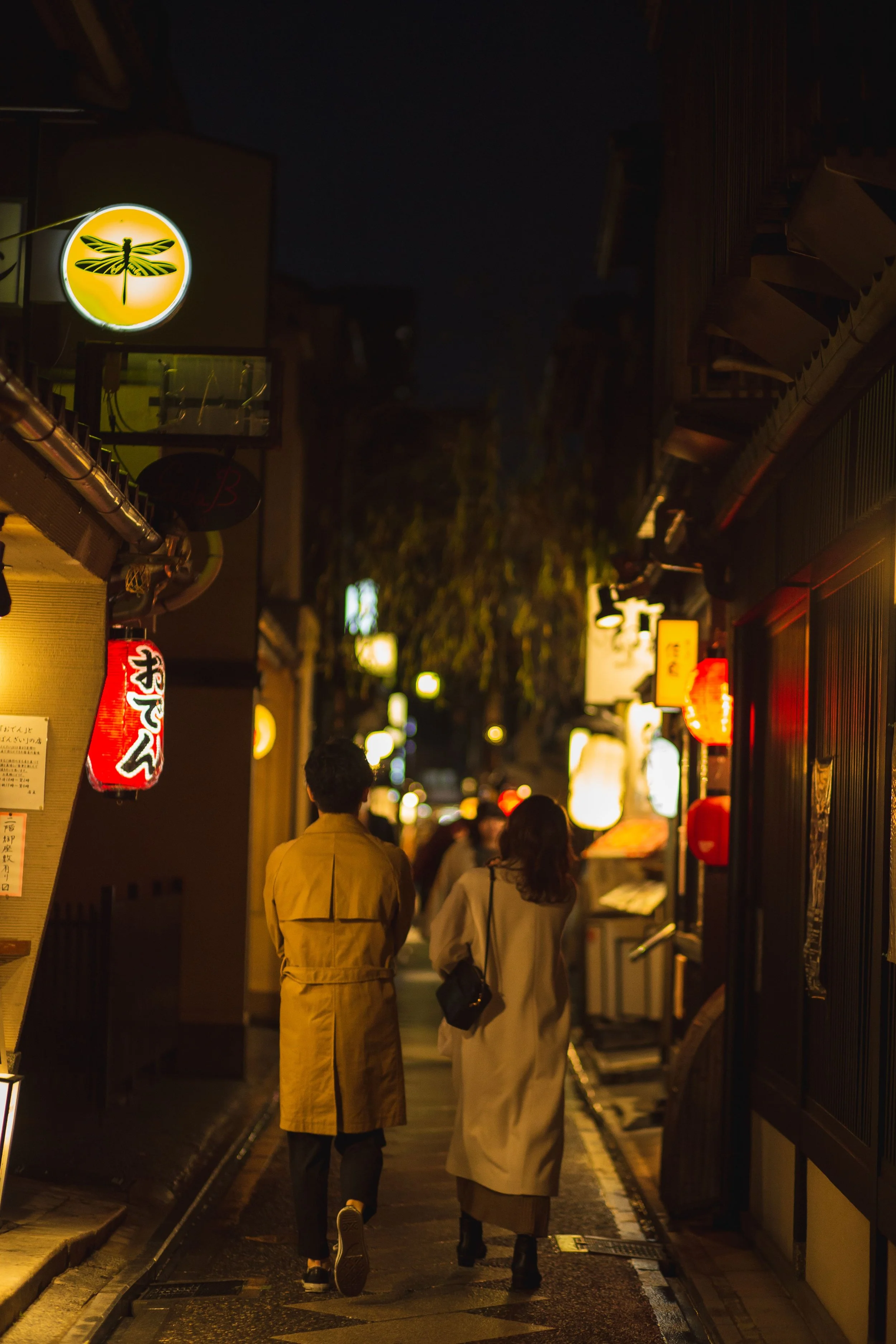
A narrow lantern-lit alley packed with restaurants, bars, and traditional dining experiences along the Kamo River.
Pontocho
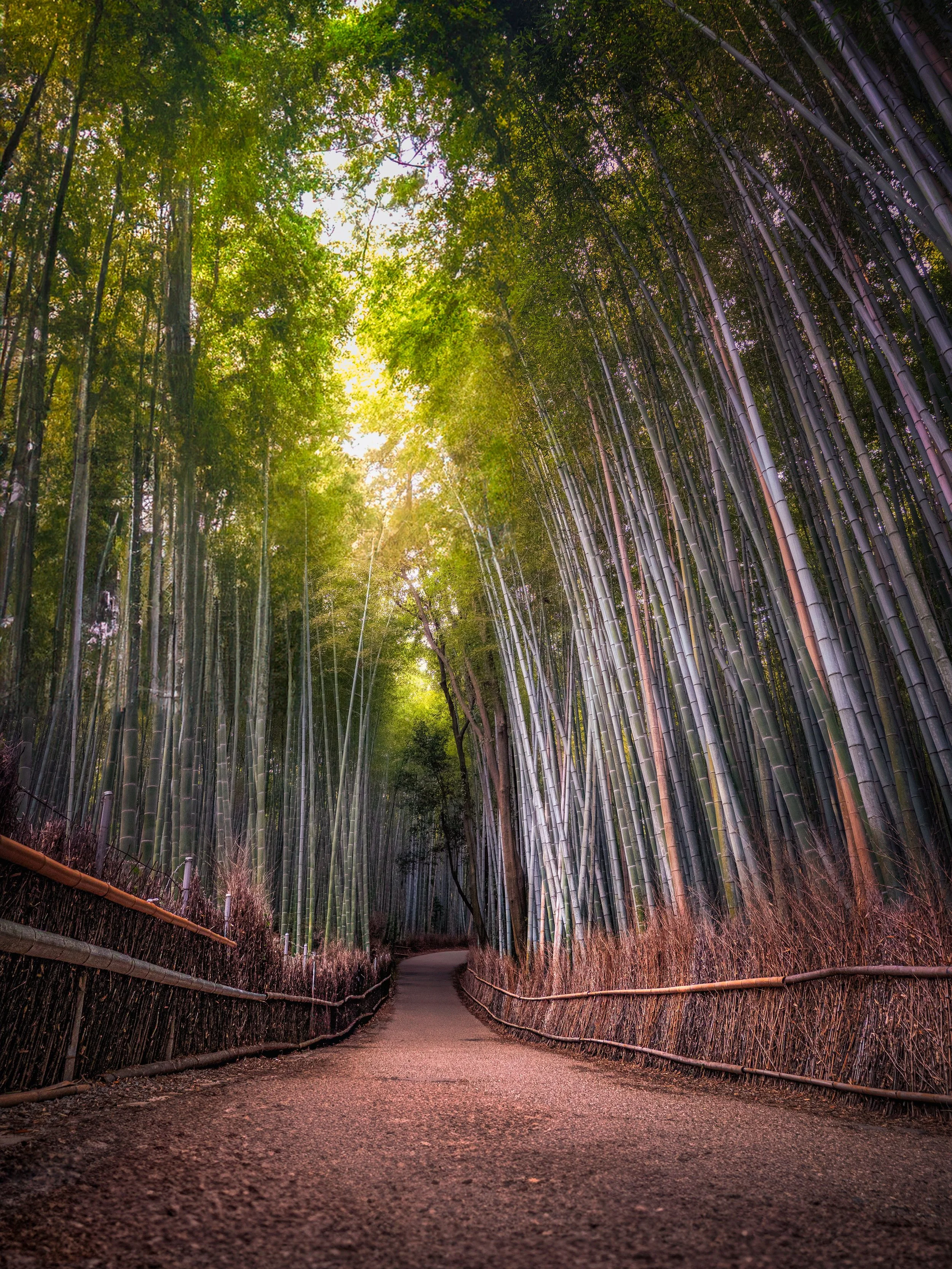
A scenic district on the western side of Kyoto, famous for its bamboo forest, mountain views, and riverside atmosphere.
Arashiyama
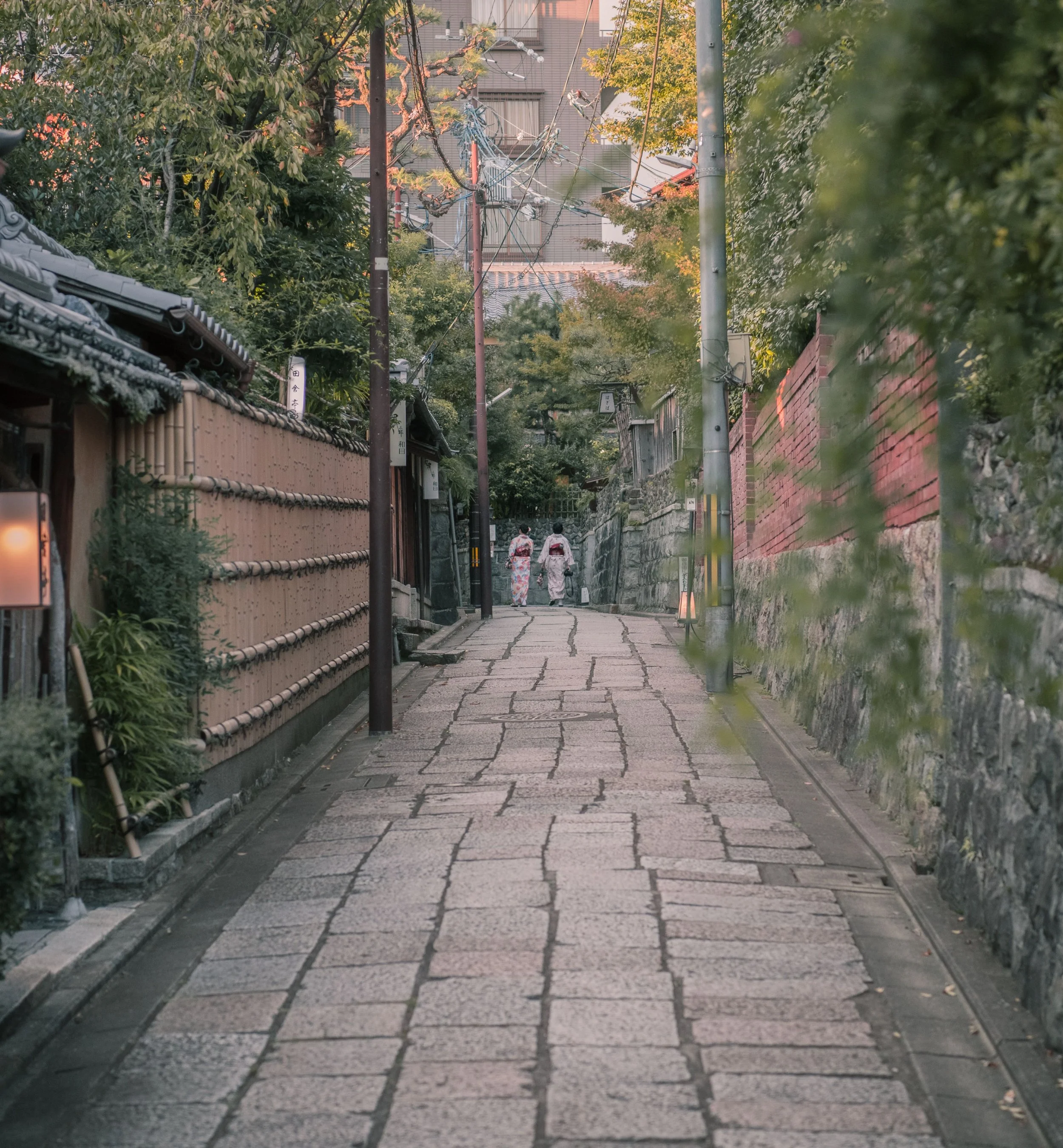
A quieter side of Kyoto filled with beautiful temples, gardens, and peaceful walking trails.
Northern Higashiyama
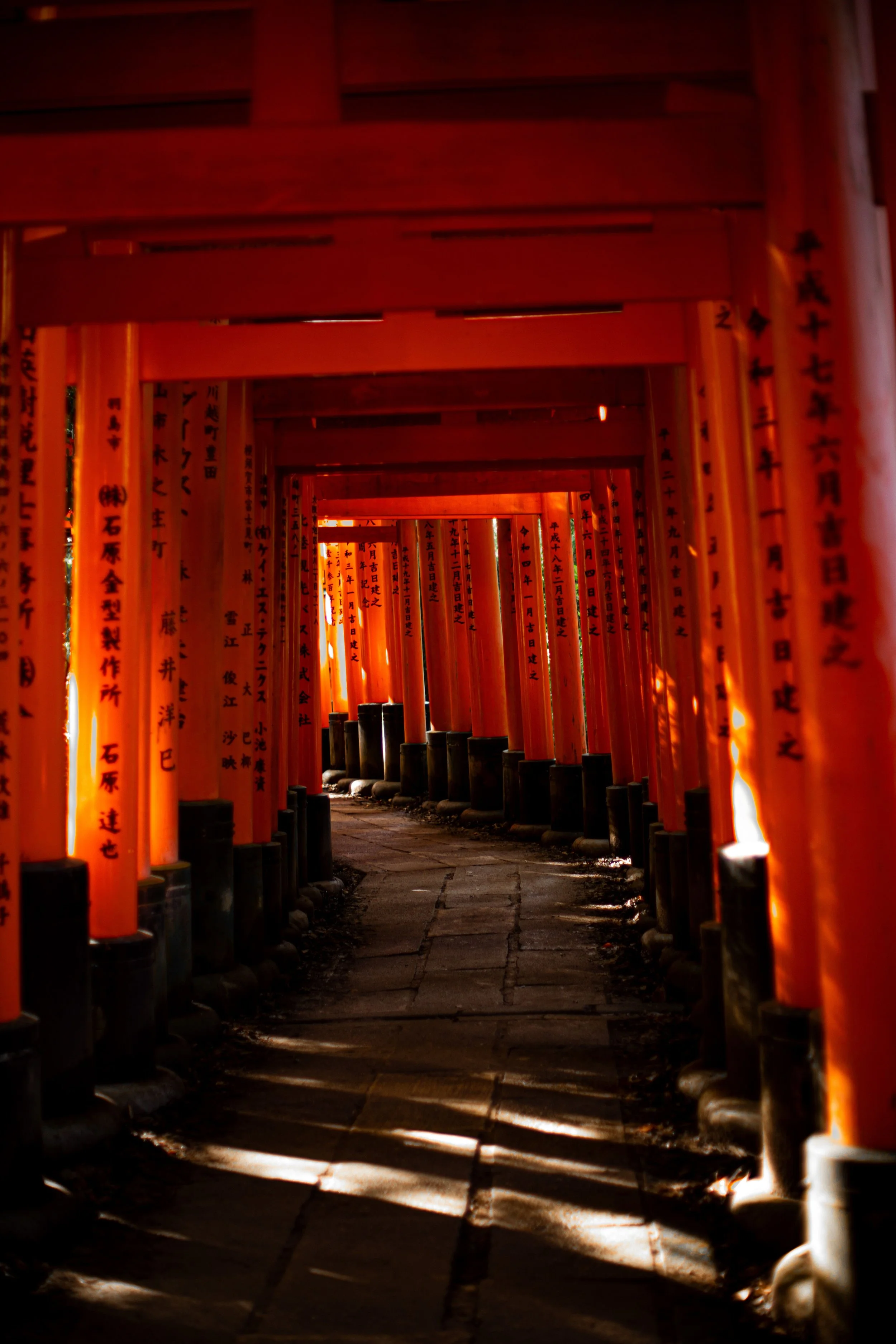
One of Kyoto's most visited areas, centred around the famous Fushimi Inari Shrine and its endless red torii gates.
Fushimi
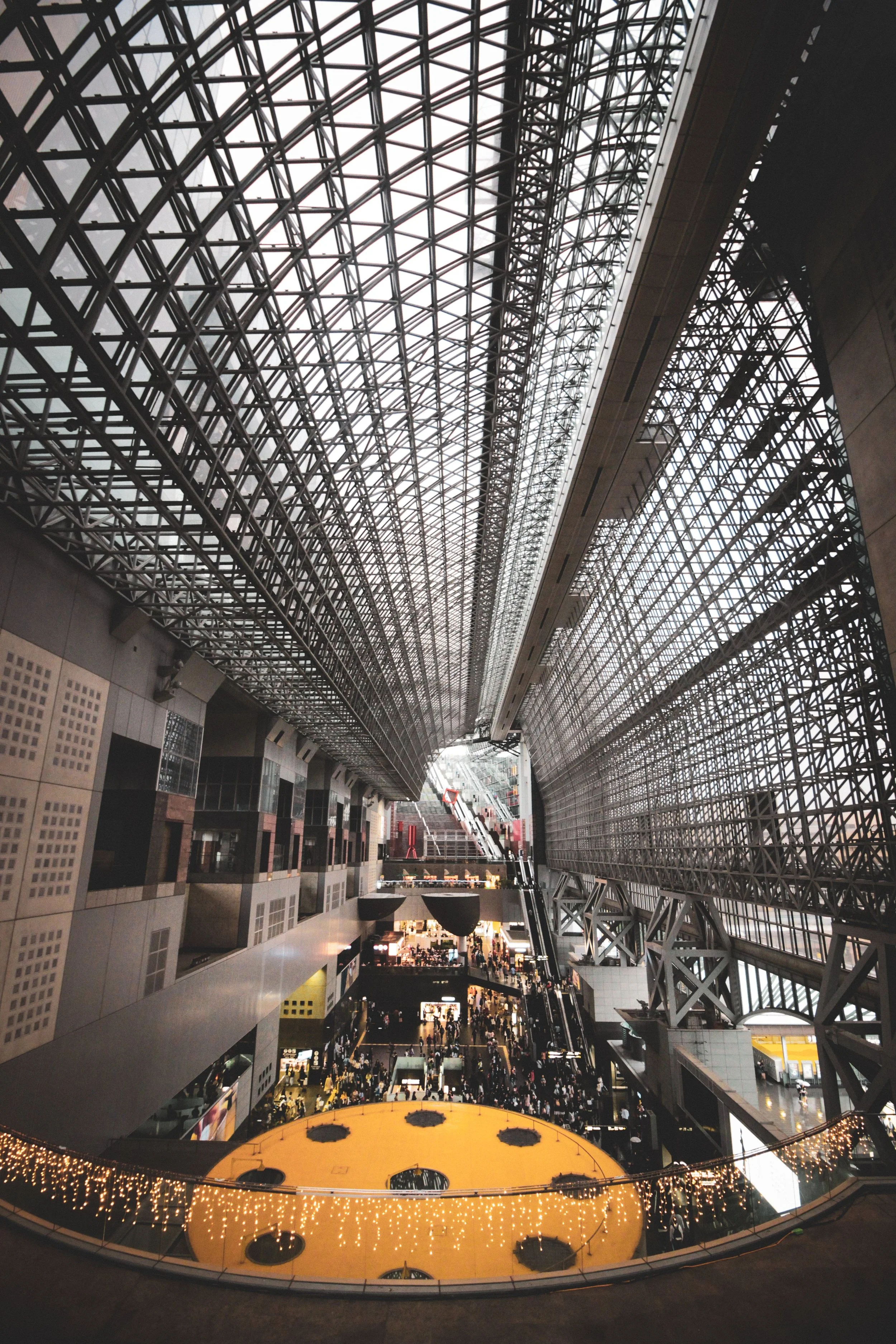
Kyoto's transport hub and one of the most convenient places to stay, offering easy access to the city's attractions and nearby destinations.
Kyoto Station Area
Top Attractions
Cultural & Historical Highlights
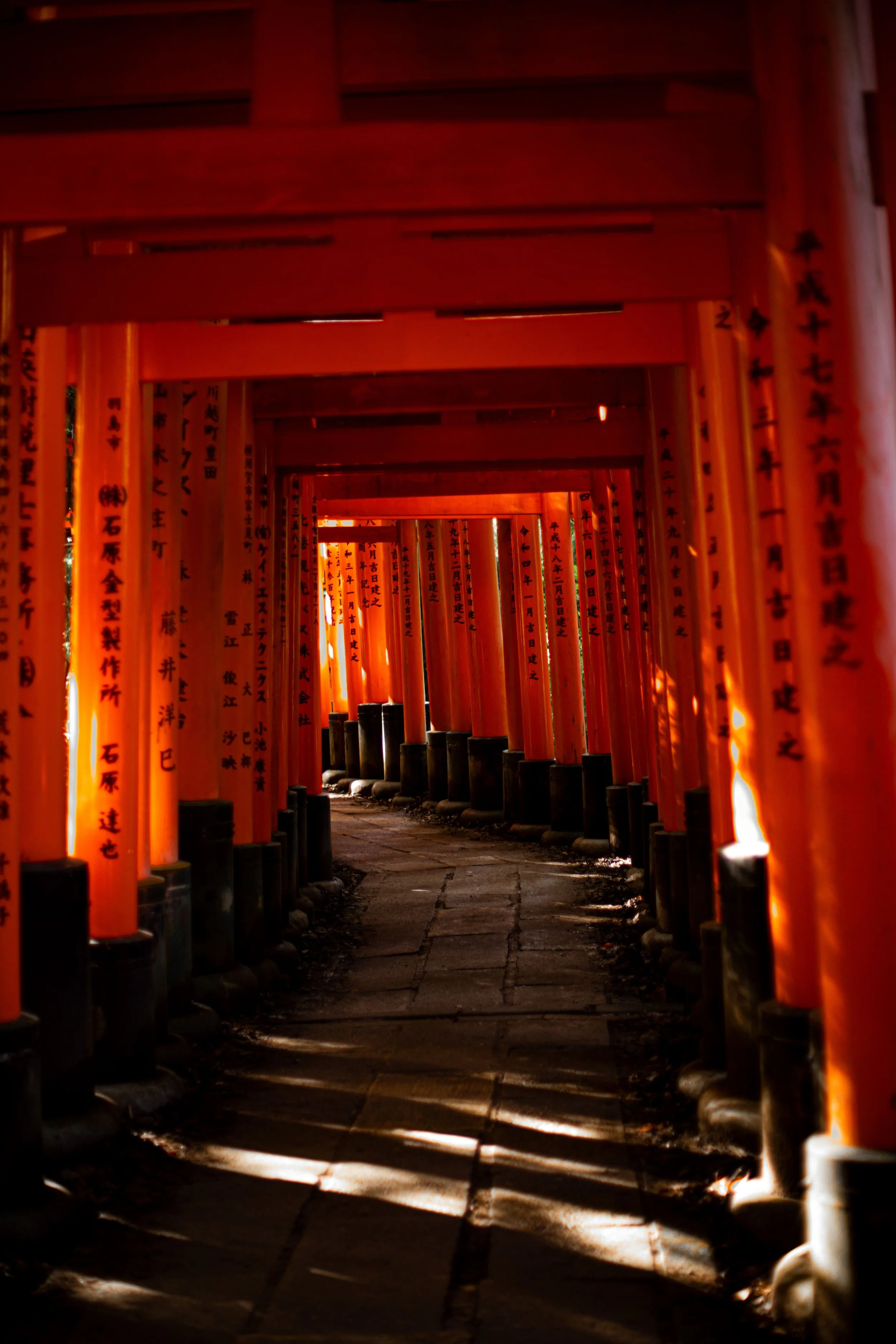
Fushimi Inari Shrine
One of Japan's most iconic landmarks, famous for its thousands of vibrant red torii gates that lead through the forested slopes of Mount Inari.
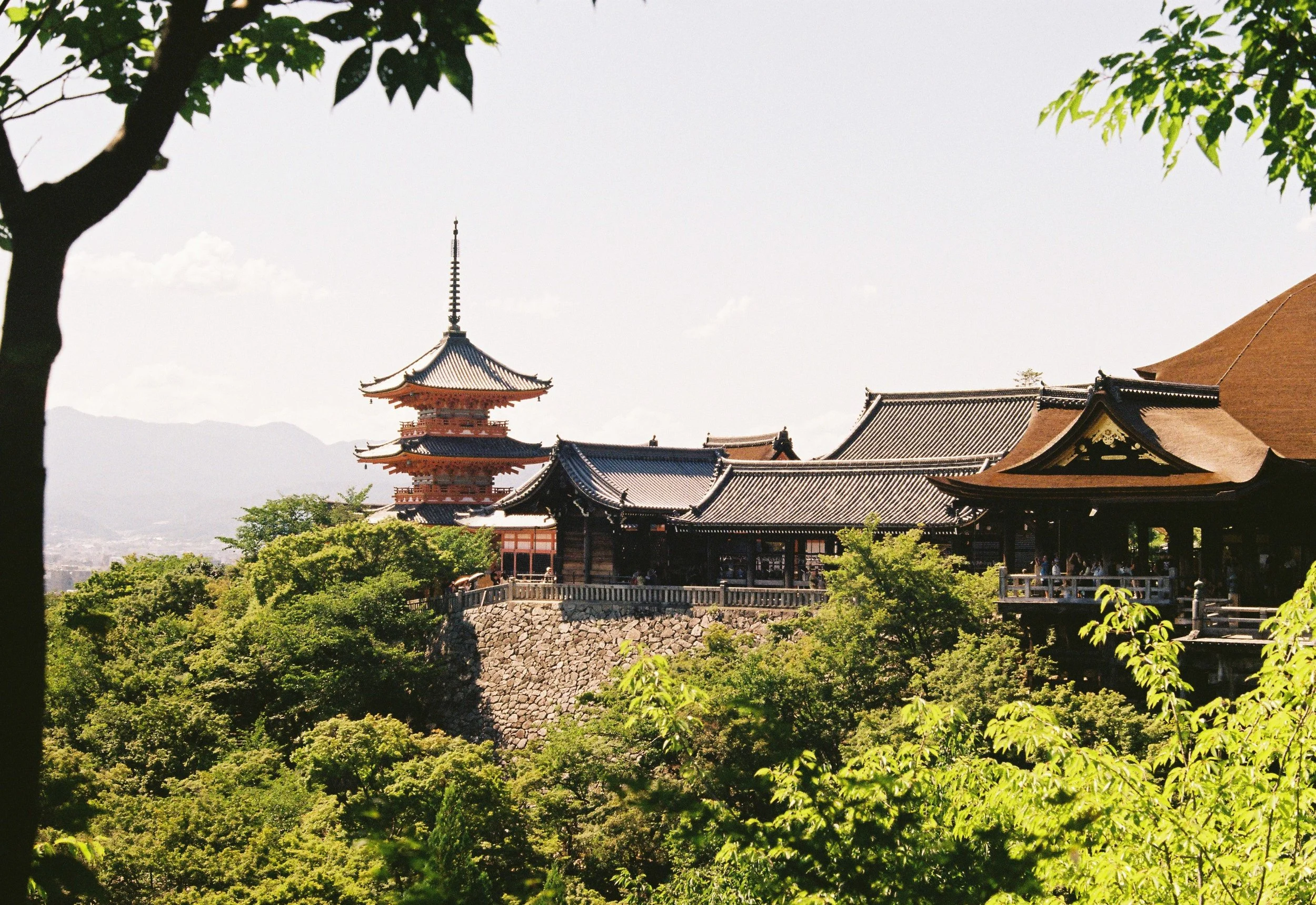
Kiyomizu-dera
A UNESCO World Heritage site and one of Kyoto's most celebrated temples, known for its impressive wooden stage overlooking the city.
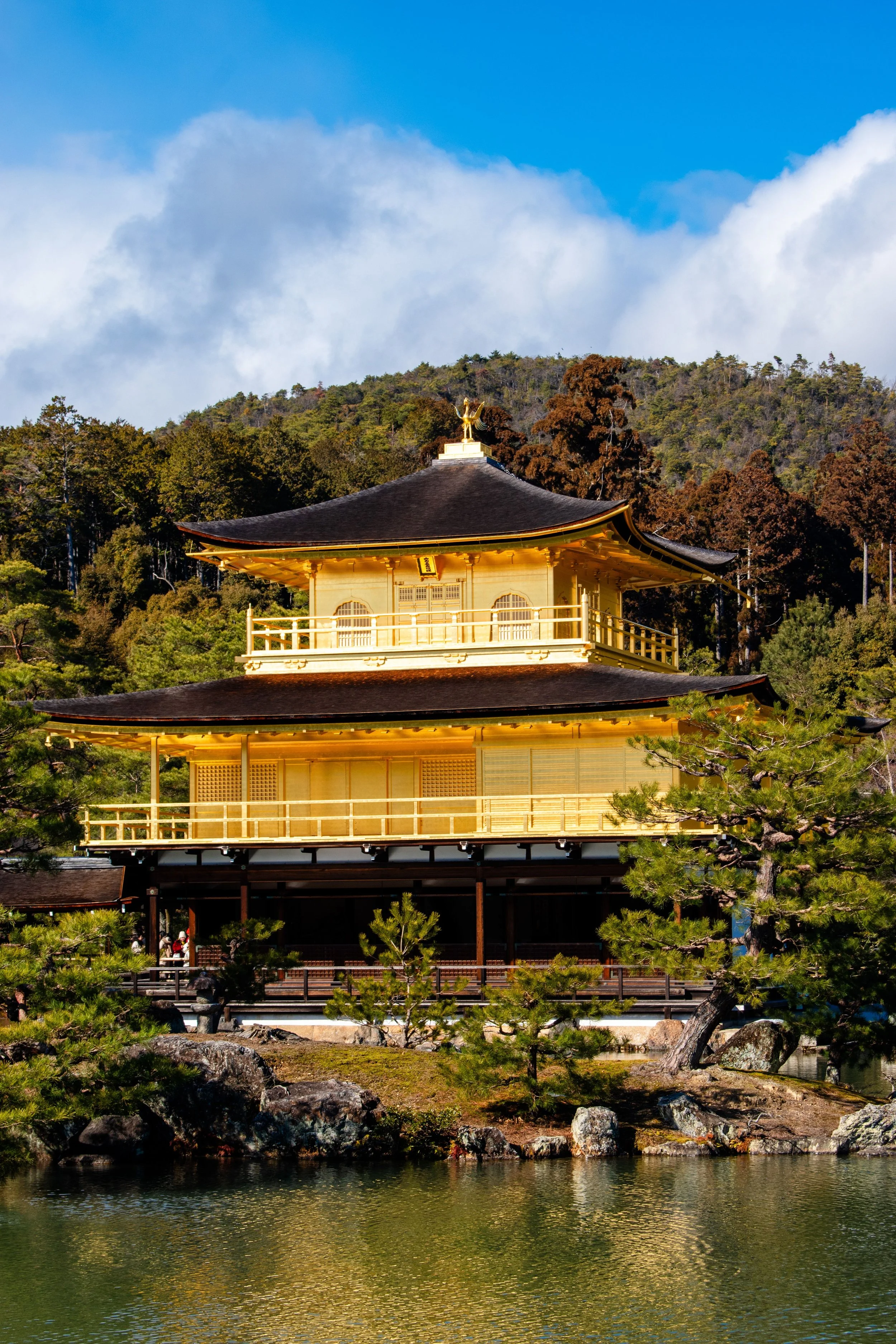
Kinkaku-ji (Golden Pavilion)
Kyoto's most famous temple, covered in gold leaf and surrounded by beautifully landscaped gardens and reflective ponds.
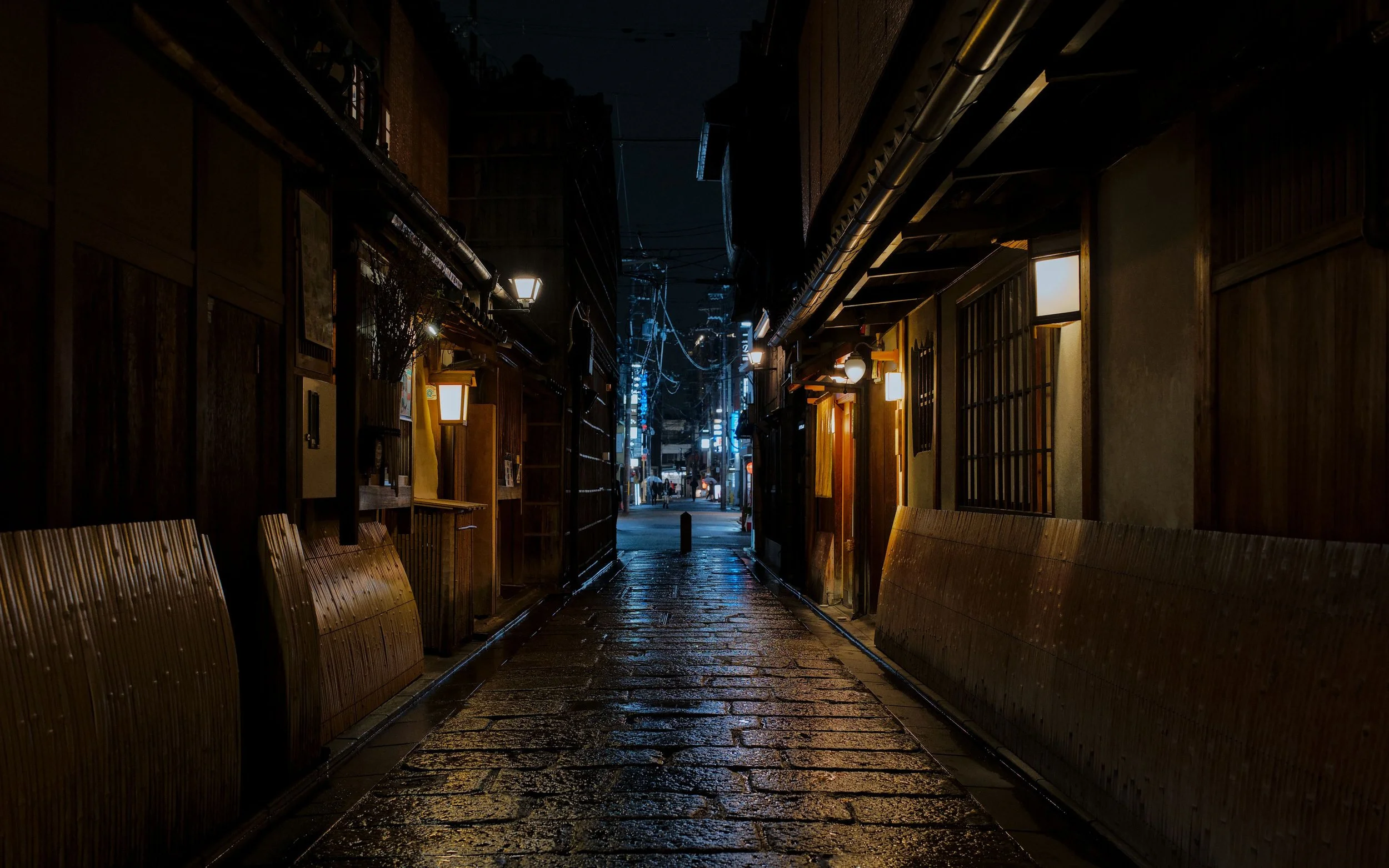
Gion Historic District
Kyoto's famous geisha district where traditional wooden buildings, tea houses, and centuries of culture come together.
Modern & Futuristic Icons
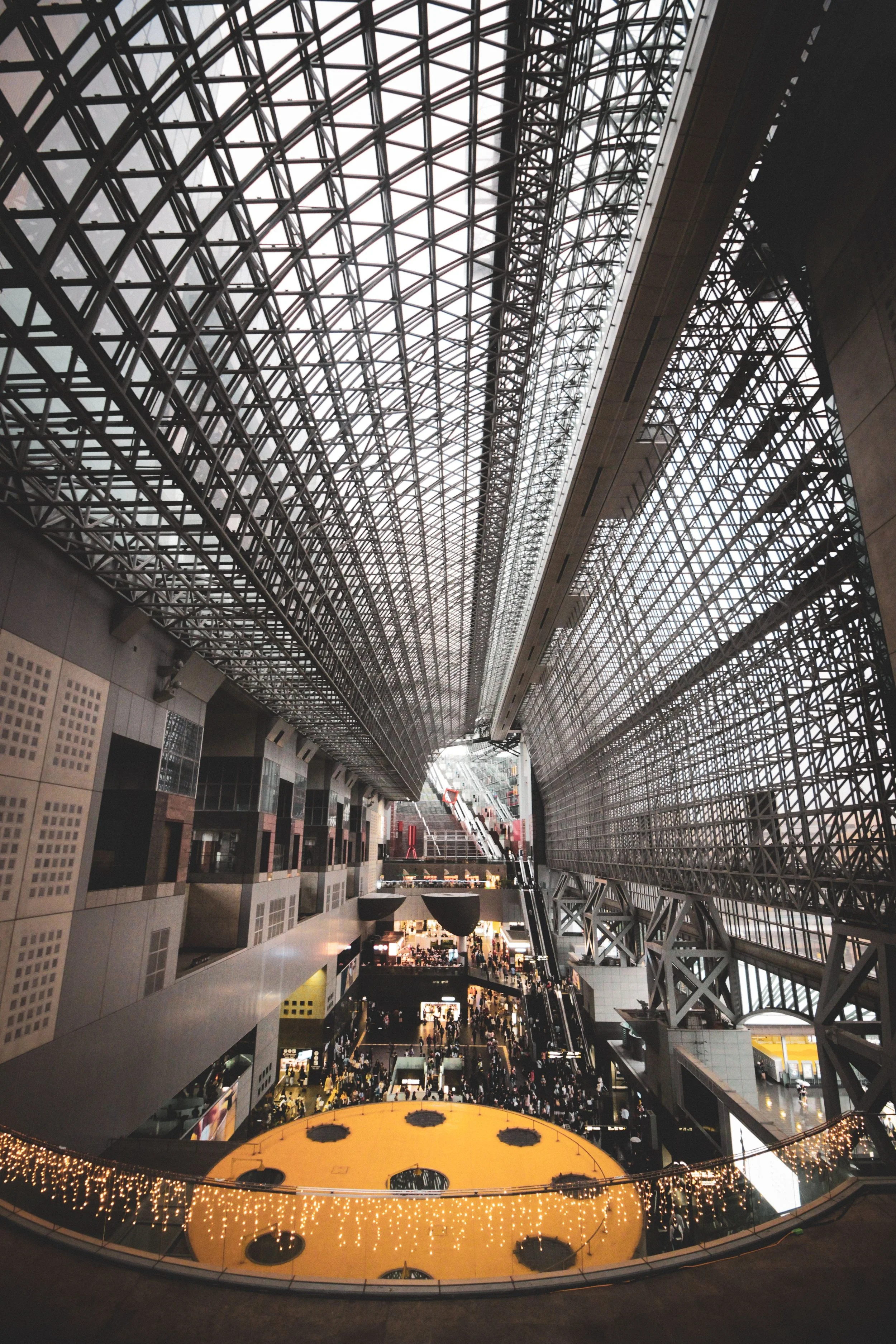
Kyoto Station
One of Japan's most impressive railway stations, featuring futuristic architecture, massive glass walkways, and panoramic city views.

Nintendo Museum Uji
A must-visit for gaming fans, exploring the history of Nintendo from its origins in Kyoto to its global success as one of the world's most famous gaming companies.

Kyoto Porta & Underground Shopping
A modern shopping complex beneath Kyoto Station featuring fashion stores, restaurants, cafés, and local brands.
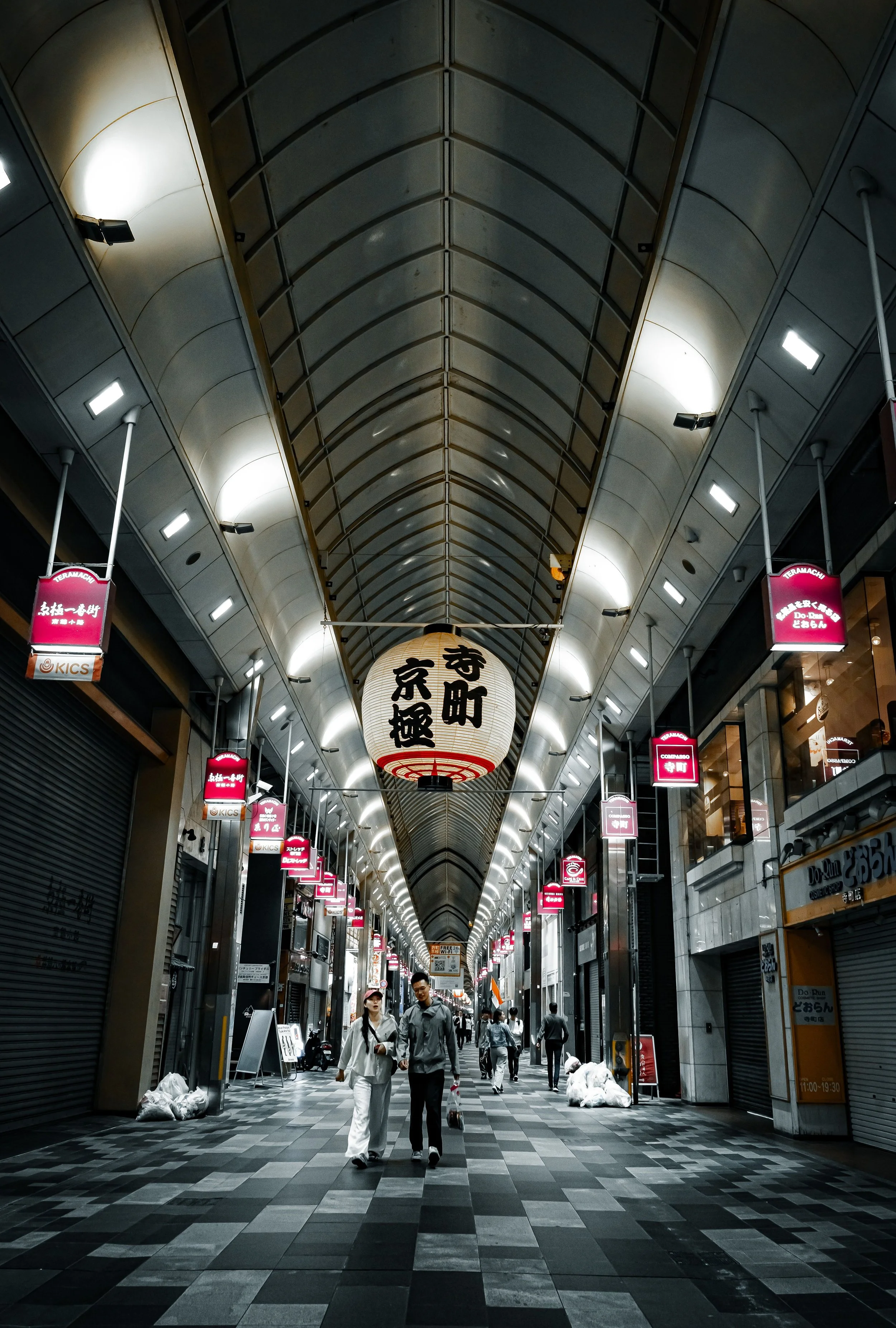
Kawaramachi & Shijo District
Kyoto's vibrant modern city centre where contemporary shopping, entertainment, and nightlife meet traditional Kyoto culture.

Kyoto Tower
Standing 131 metres above the city, Kyoto Tower offers panoramic views across Kyoto and the surrounding mountains. It's one of the best places to appreciate how Kyoto blends ancient temples with a modern urban landscape.
Pop Culture & Entertainment

Samurai & Ninja Museum
Step into the fascinating world of Japan's legendary warriors at the Samurai & Ninja Museum. This interactive attraction allows visitors to learn about the history, traditions, and weaponry of samurai and ninja through hands-on experiences and educational exhibits. Guests can view authentic armour, try traditional weapons, participate in training activities, and gain a deeper understanding of the role these iconic figures played in Japanese history.
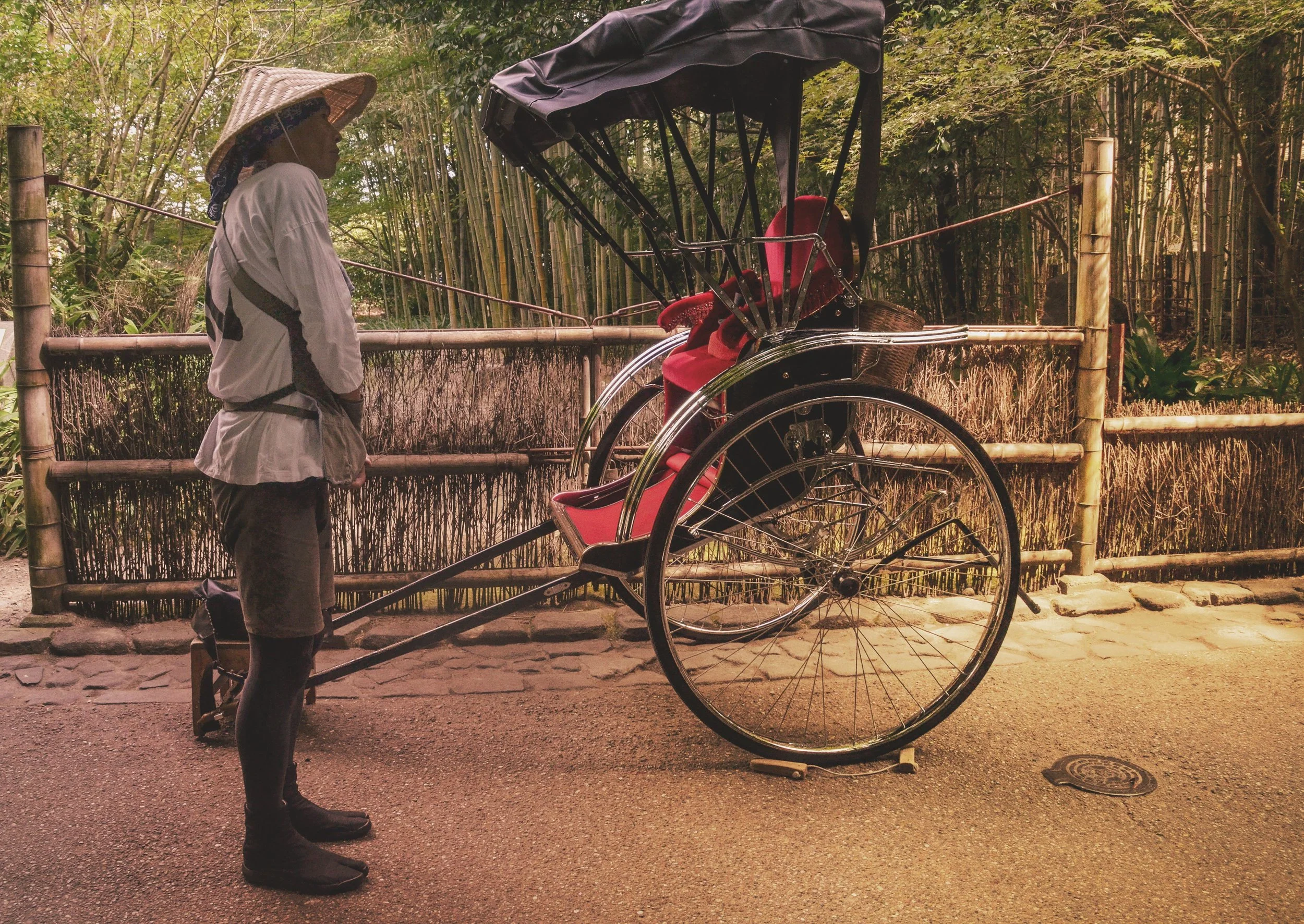
Toei Kyoto Studio Park
Part theme park and part working film set, Toei Kyoto Studio Park offers visitors the chance to experience the world of Japanese samurai films and television dramas. The attraction features detailed Edo-period streets, live action performances, ninja shows, and immersive experiences that bring Japan's cinematic history to life. It is one of the few places in Japan where visitors can step onto authentic movie sets and experience traditional Japan through entertainment.
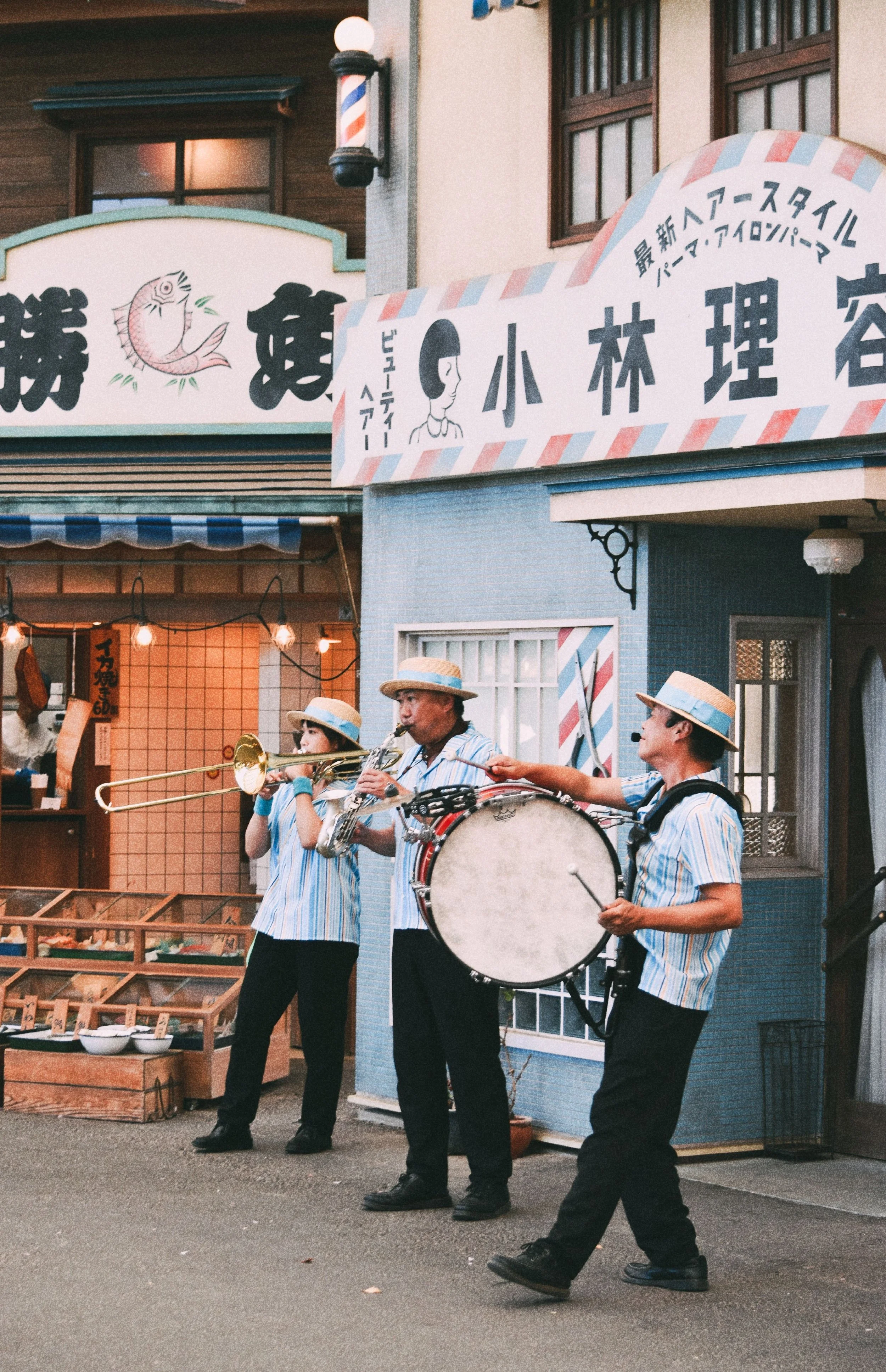
Live Houses & Kyoto Music Scene
Beyond its temples and historic streets, Kyoto has a thriving underground music and nightlife culture. The city is home to intimate live music venues, jazz bars, indie rock clubs, and local performance spaces where visitors can experience a different side of modern Japan. Whether you're into rock, jazz, electronic music, or acoustic performances, Kyoto's live house scene offers a memorable night out.

Kyoto International Manga Museum
Discover the world of Japanese manga at one of Kyoto's most unique cultural attractions. Housed inside a former elementary school, the Kyoto International Manga Museum is home to an enormous collection of manga from Japan and around the world. Visitors can browse thousands of titles, learn about the history of manga, and explore exhibits dedicated to one of Japan's most influential forms of entertainment and storytelling.
Getting Connected in Japan
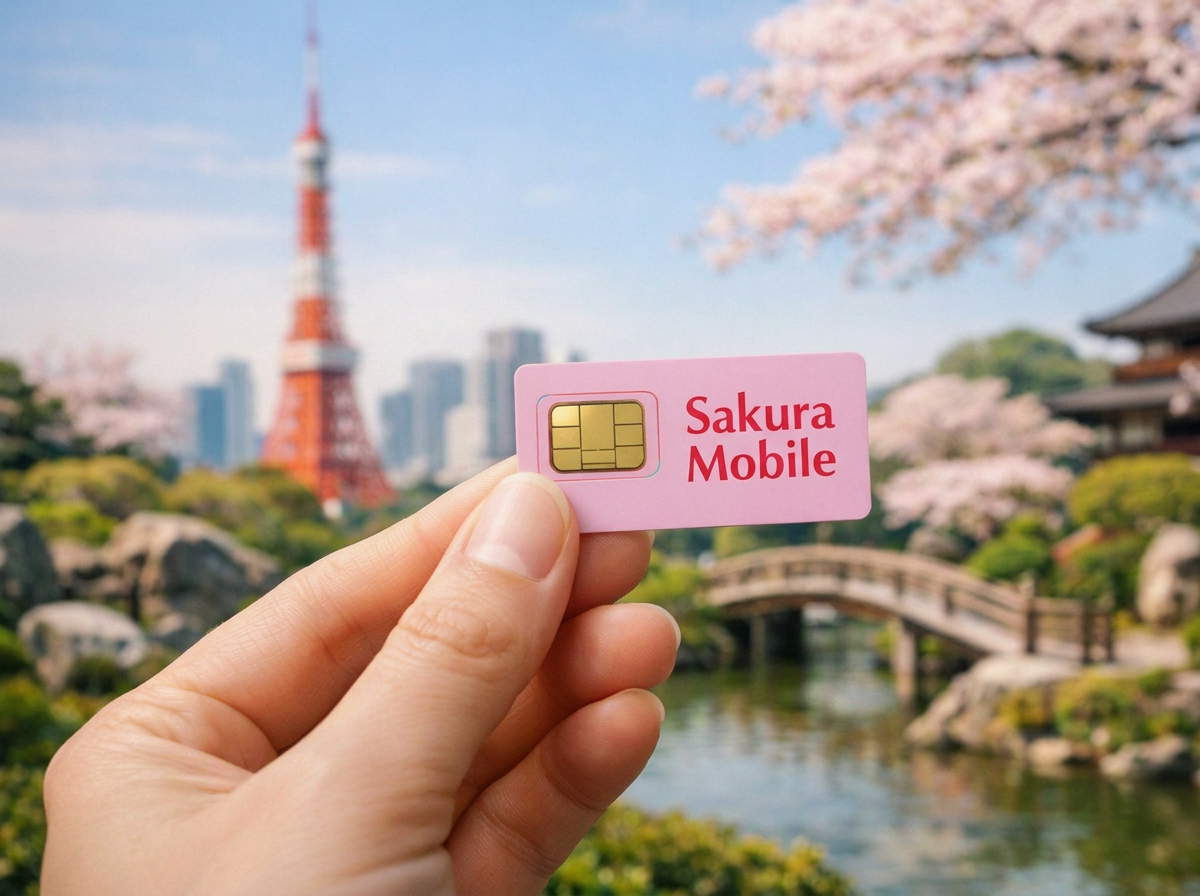
Staying online in Japan shouldn’t be complicated and with our trusted partner Sakura Mobile eSIM, it isn’t. Whether you’re navigating Tokyo’s train lines, translating menus, booking activities, or sharing your adventures, Sakura Mobile gives you fast, reliable 4G/5G data the moment you land.
01
Instant activation
02
Nationwide coverage
03
Affordable plans
Don’t waste time hunting for SIM cards or dealing with airport kiosks. Get your Sakura Mobile eSIM before you fly and enjoy seamless connectivity from the moment you arrive.
Tokyo to Kyoto Train Guide
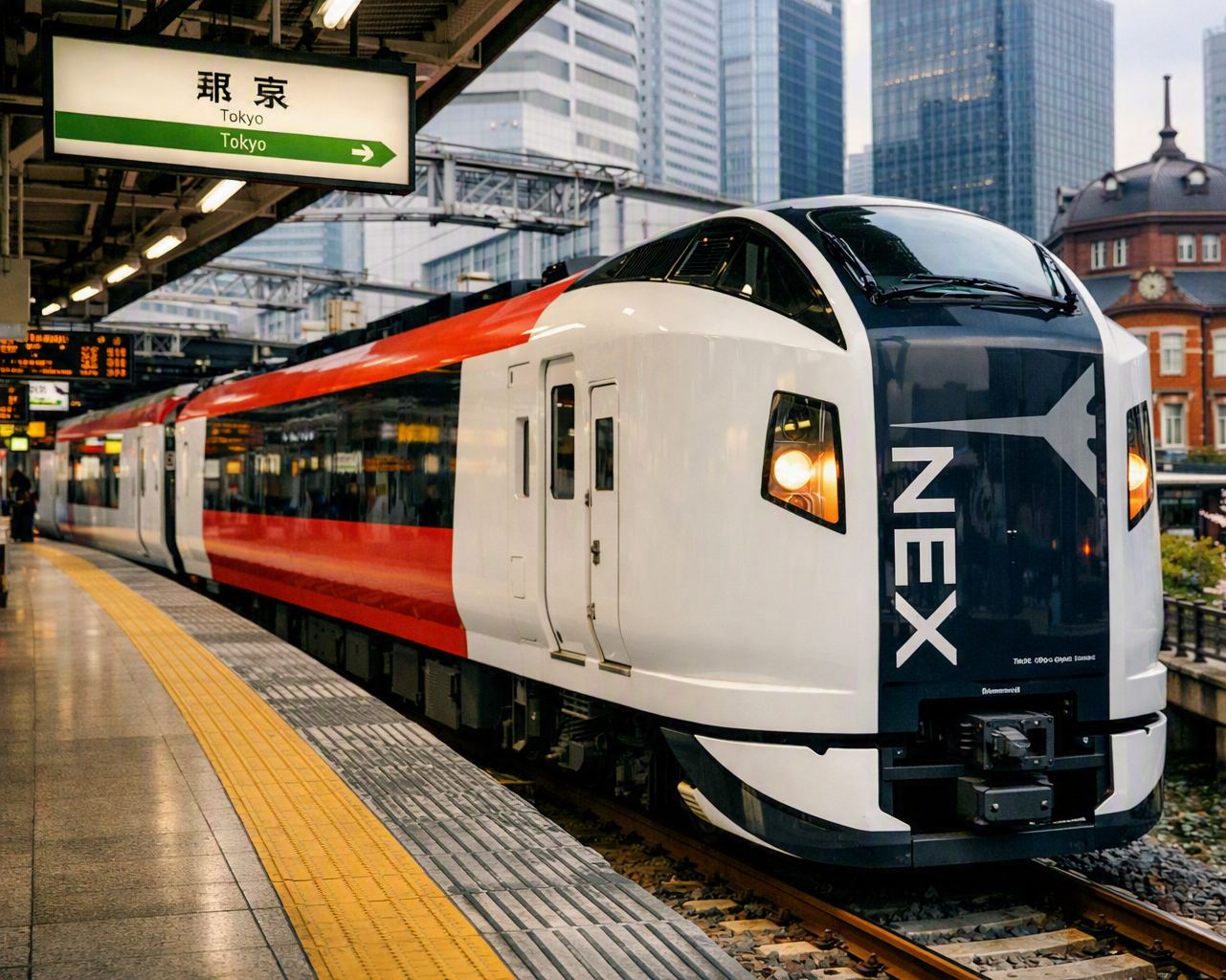
Why Take the Shinkansen?
Travelling between Tokyo and Kyoto by Shinkansen (bullet train) is the fastest, most comfortable, and most popular way to travel between Japan's two most visited cities.
With frequent departures, comfortable seating, and impressive punctuality, the Shinkansen offers a stress-free way to experience Japan while enjoying views of the countryside and, on clear days, Mount Fuji.
Most Shinkansen services to Kyoto depart from Tokyo Station, Japan's busiest railway hub.
Facilities
Restaurants and cafés
Convenience stores
Shopping areas
Baggage services
English signage
Travel Tip: Arrive at least 20-30 minutes before departure to find your platform and purchase food for the journey.
📍 Departure Station Tokyo
Kyoto Station serves as the city's main transport hub and provides easy access to hotels, tourist attractions, buses, and local train services.
Facilities
Tourist information centre
Restaurants and shopping
Bus terminal
Taxi services
Hotel access
Travel Tip: Kyoto Station is one of the best starting points for exploring the city and making day trips to Osaka or Nara.
📍 Arrival Station Kyoto
Choosing Your Shinkansen
Nozomi
The fastest and most popular service between Tokyo and Kyoto.
Best For
Travellers wanting the quickest journey
Tight schedules
Direct travel
Advantages
Fewest stops
Fastest travel time
Most frequent departures
Hikari
A slightly slower service with additional stops.
Best For
Travellers using certain rail passes
Flexible schedules
Budget-conscious visitors
Advantages
Excellent balance of speed and convenience
Comfortable seating
Frequent departures
Kodama
The slowest Shinkansen service, stopping at every station on the route.
Best For
Travellers wanting a slower journey
Exploring smaller cities along the route
Advantages
Usually less crowded
More flexibility for intermediate stops